2026 Atlantic Hurricane Season Begins: Forecasters Warn of Above-Normal Activity
Meteorologists are tracking conditions that could make this season dangerous for Martin, St. Lucie, and Indian River counties — here's what Treasure Coast residents need to know now
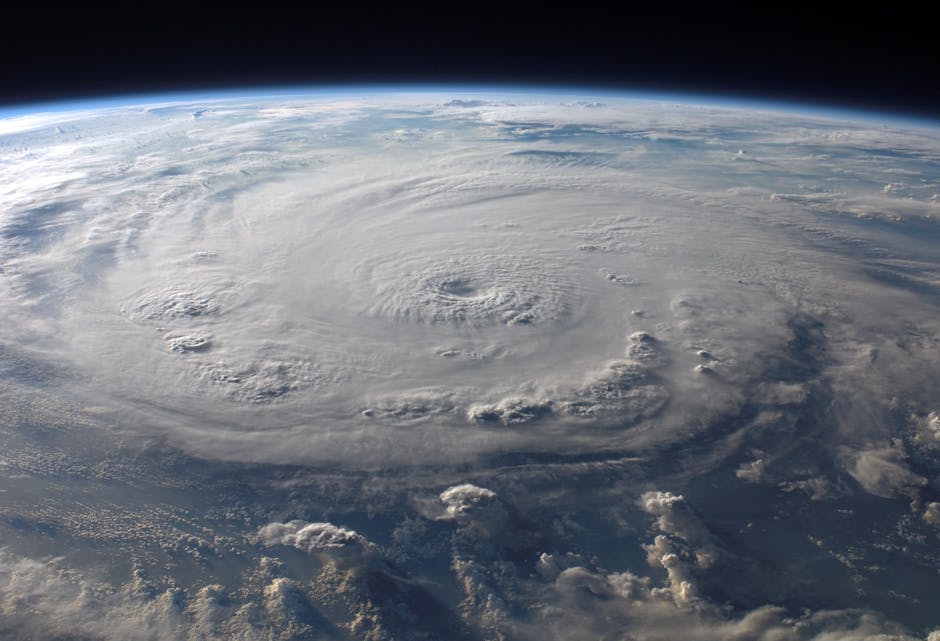
The calendar flipped to June 1, and with it came the six-month countdown that every Treasure Coast homeowner, marina operator, and emergency manager knows by feel: hurricane season is open.
Forecasters are projecting an above-normal 2026 Atlantic hurricane season. Warm sea surface temperatures in the main development region of the tropical Atlantic and a neutral-to-weakening El Niño pattern are fueling the outlook. Historically, that pattern reduces the upper-level wind shear that can tear storms apart before they organize. Those two ingredients together create the recipe for an active season on Florida's east coast.
The National Hurricane Center in Miami monitors all tropical disturbances that form in the Atlantic basin from June 1 through November 30. The Treasure Coast sits squarely in what NHC forecasters call the "high-risk corridor" for landfalling storms tracking northward along Florida's east coast, NHC data shows.
For Treasure Coast residents, the numbers matter less than the preparation. Martin County Emergency Management urges every household to have a minimum 72-hour supply kit with water, medications, important documents, and a battery-powered weather radio tuned to NWS Melbourne, the forecast office responsible for Martin, St. Lucie, and Indian River counties.
Indian River County's barrier island communities face the most acute storm surge risk in the region, a vulnerability that has not changed since Hurricanes Frances and Jeanne struck in the same season two decades ago, public records show. St. Lucie County's evacuation zones, last updated following post-Ian reassessments, map that surge threat street by street.
The season's statistical peak runs from mid-August through mid-October. But forecasters are clear: June storms are possible and have caught unprepared communities off guard before.
Now is the moment to act. Residents can contact Martin County Emergency Management at (772) 287-1652, St. Lucie County Emergency Management at (772) 462-8100, and Indian River County Emergency Management at (772) 226-4444 for free preparedness guides and evacuation zone verification.
The season doesn't ask for your calendar. It only asks if you're ready.
This article was generated with AI assistance using publicly available information. It was reviewed and approved by a human editor before publication. TC Sentinel uses AI writing tools in accordance with FTC guidelines.
Got a tip?
See something newsworthy? Help us cover the Treasure Coast.
Your identity is never published without your permission.

Comments
Be the first to comment.