Hurricane Season Opens June 1 — Treasure Coast Residents Should Prepare Now
The National Hurricane Center is already monitoring the tropics as forecasters warn of an active 2024 season; coastal communities have no time to waste.
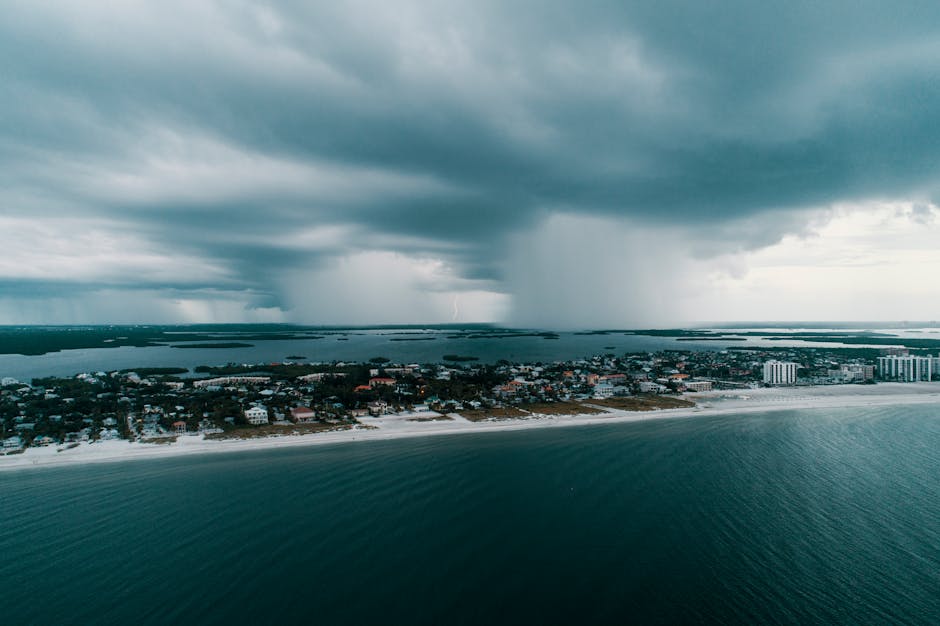
The calendar hasn't turned to June yet, but the Atlantic doesn't wait for permission.
The National Hurricane Center has begun monitoring areas of tropical interest in the days leading up to the official June 1 start of hurricane season — a reminder to Treasure Coast residents that the window for preparation is closing fast.
Forecasters have consistently warned that the 2024 Atlantic hurricane season is expected to be above average in activity, driven by record-warm sea surface temperatures in the Atlantic basin and the anticipated development of La Niña conditions, which reduce upper-level wind shear that typically suppresses storm formation.
For the roughly 600,000 residents spread across Martin, St. Lucie and Indian River counties, that forecast carries particular weight. The Treasure Coast's geography — a narrow coastal strip flanked by the Indian River Lagoon to the west and the Atlantic to the east — leaves little room for error when a major storm tracks up the Florida Peninsula.
Emergency managers urge residents to complete basic preparations before the first named storm forms, not after. That means a minimum two-week supply of food and water, a full review of homeowners and flood insurance policies, and a confirmed evacuation plan for households with pets or elderly family members.
Martin County's shelter registration system is open now, and residents who rely on power-dependent medical equipment should pre-register with the county's Special Needs Shelter program before a storm threatens, Martin County Emergency Management officials said.
The Indian River Lagoon coastline and low-lying neighborhoods in Fort Pierce and Port Salerno face compounding flood risk — both from storm surge off the Atlantic and from freshwater runoff pushed back through drainage canals during sustained rainfall. That dual threat has historically turned manageable storms into extended displacement events for inland residents who believed they were safely outside the surge zone.
The National Hurricane Center's season outlook and storm tracking tools are available at nhc.noaa.gov. Martin County Emergency Management can be reached at (772) 288-5400; St. Lucie County Emergency Management at (772) 462-8100; Indian River County Emergency Management at (772) 226-4600.
This article was generated with AI assistance using publicly available information. It was reviewed and approved by a human editor before publication. TC Sentinel uses AI writing tools in accordance with FTC guidelines.
Got a tip?
See something newsworthy? Help us cover the Treasure Coast.
Your identity is never published without your permission.

Comments
Be the first to comment.