Jakub Pabis
Weather
Wind-Driven Fire Engulfs Port St. Lucie Home, Displaces Resident
High winds blamed for rapid fire spread; one resident forced from home after blaze destroys structure
High winds blamed for rapid fire spread; one resident forced from home after blaze destroys structure
A new study models how sea-level rise combined with extreme storm surges threatens flooding in low-lying areas of Martin, St. Lucie and Indian River counties, mirroring risks in Coral Gables.

Treasure Coast anglers get a prime fishing window with low tide at 4:34 a.m. and high at 10:30 a.m., before afternoon low dips to -0.2 feet at 4:45 p.m.
Low tides at 3:57 a.m. and 4:09 p.m. on March 6 promise strong inflows for snook and redfish, plus ideal wading and clamming in St. Lucie County waters.
Treasure Coast boaters and anglers should plan launches and casts around the strong swings, with evening high tide peaking at 2.8 feet at 10:15 p.m.
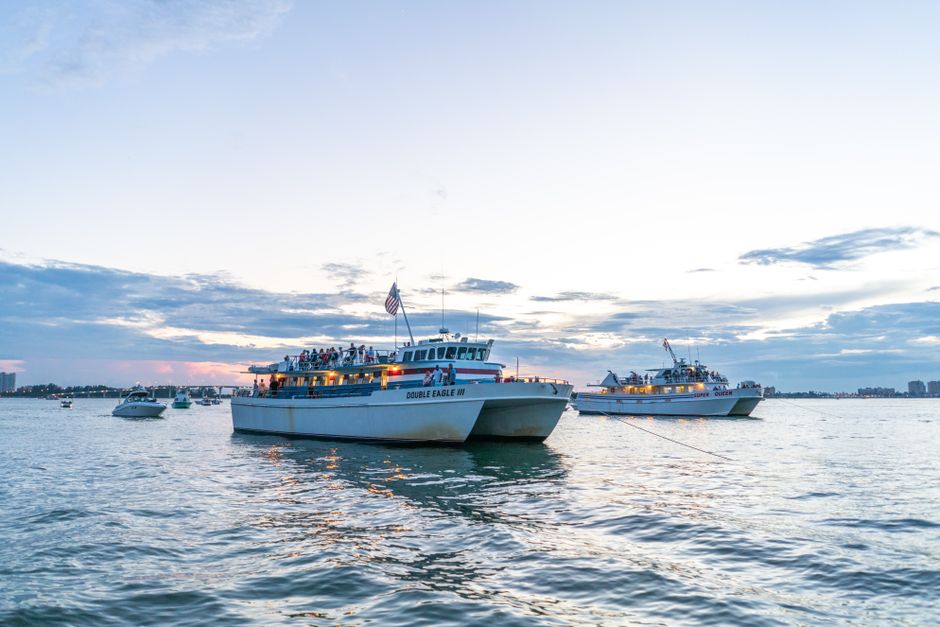
Indian River County anglers eye productive fishing with two lows at -0.2 feet and a 2.8-foot high at 10:21 p.m. amid dry conditions.

Sunday stands out as the clearest day, perfect for boating, beach outings and outdoor work amid partly cloudy skies and light east winds.

Treasure Coast anglers and beachgoers gain prime access to exposed sandbars and oyster flats, with evening high tide peaking at 2.8 feet at 9:52 p.m.
The storm's widespread casualties and destruction across Martin, St. Lucie and Indian River counties prompted its permanent removal from Atlantic name lists, with a replacement ready for 2026.